
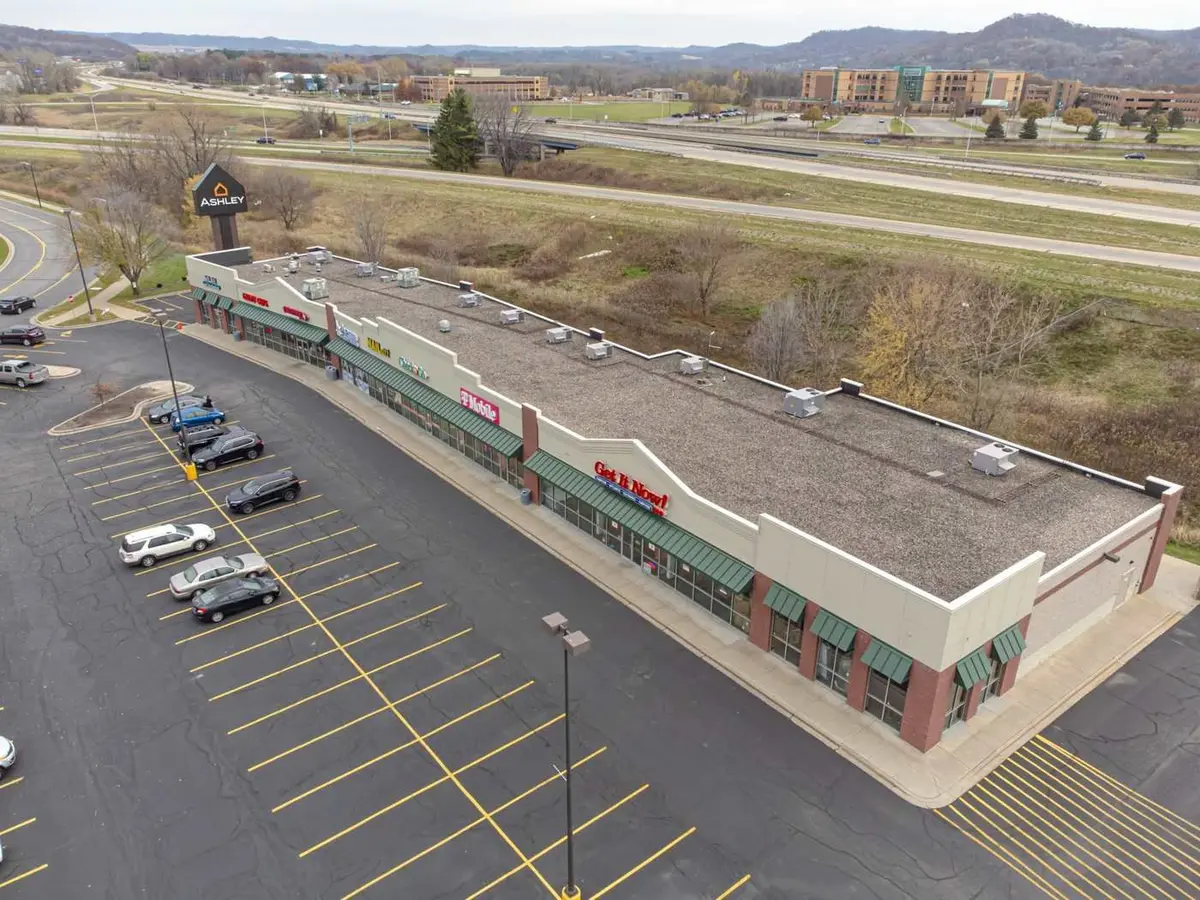

How do I sell a commercial property in Sacramento?
We start with a pricing review built on the property's income, recent comparable sales, and what lenders will finance today. Then we prepare an Offering Memorandum with rent roll, lease terms, expenses, and photos, and market it to qualified investors and owner-users. When privacy matters (for example, when tenants or a business on site shouldn't know yet), we market without the address and share details only after a signed NDA.
How is commercial property priced?
Investors buy income. We look at net operating income (NOI), the cap rate buyers are paying for similar properties, lease length and tenant strength, and the debt-service coverage (DSCR) a lender will require. For owner-occupied deals financed with an SBA loan, the price has to work at the lender's coverage test, so we check that before we list, not after an offer falls apart.


How does SBA financing work for buying commercial property?
If your business will occupy most of the building (generally at least 51% of an existing building), an SBA 7(a) or SBA 504 loan can let you buy with a lower down payment and a longer term than a typical commercial loan. A 504 loan pairs a bank loan with a Certified Development Company loan and is used for real estate and major equipment. Your lender confirms eligibility, rates, and down payment; we coordinate the appraisal, inspections, and environmental reports the lender requires.
I own my business and the building. Should I sell them together?
It depends on your goals. You can sell both together, sell the business and lease the building to the buyer, or sell the property separately. Selling together often helps an SBA buyer, because a loan that includes real estate can run up to 25 years, which supports a higher price. Keeping the building gives you rental income. Talk to your CPA about taxes and options like a 1031 exchange; we coordinate with them on timing.
Can you help me find a 1031 exchange property?
Yes. We search on- and off-market properties that fit your exchange timeline, working with your qualified intermediary and tax advisor. Federal rules give you 45 days to identify replacement property and 180 days to close, so we start the search before your sale closes.
How long does a commercial sale take?
Marketing usually takes 2 to 3 months before a buyer opens escrow, depending mostly on pricing. Escrow then usually takes 60 to 90 days, though it can vary, for due diligence (inspections, environmental review, tenant estoppels) and loan approval. Lender-financed and SBA deals generally take longer than cash deals.
Do you handle commercial leasing?
Yes. We work with tenants and with landlords on commercial leases.
For tenants (business owners looking for space): we start with what your business actually needs: size, location, parking, signage, zoning for your use, and budget. Then we search listed and off-market space, tour with you, and compare options on total occupancy cost, not just the rent per square foot. In negotiation we focus on base rent and annual increases, free-rent periods, tenant improvement allowances, lease length and renewal options, the use clause, personal guarantees, and the assignment clause. That last one matters if you might sell your business someday, because a buyer usually needs the lease assigned to them, and an SBA buyer's lender will look at how many years are left on it.
For landlords: we recommend a rent and lease structure based on comparable spaces nearby, market the space, screen prospective tenants (financials, business experience, and fit for the property), and negotiate a lease that protects the property's income and value.
What's the difference between a NNN lease and a gross lease?
NNN (triple net) lease: the tenant pays base rent plus its share of the property's three main operating costs: property taxes, building insurance, and common-area maintenance (CAM). Rent looks lower, but the tenant's total cost goes up and down with those expenses. NNN is common for retail, strip centers, and single-tenant buildings.
Gross (or full-service) lease: the tenant pays one rent amount, and the landlord pays the operating expenses out of it. The cost is more predictable for the tenant, and the rent is higher to cover it. Gross leases are common for office space.
Modified gross lease: a middle ground. Tenant and landlord split specific costs (for example, the tenant pays its own utilities and janitorial).
Before signing any of them, compare the all-in monthly cost: base rent plus every pass-through charge. Ask for recent CAM history, and check whether there are caps on increases and how year-end reconciliations work. Many leases also include a base year or expense stop, so read exactly which costs the tenant can be billed for.
How we work
We'd rather earn your trust than rush a listing agreement. That means listening first, giving you honest numbers even when they aren't what you hoped, and staying in touch long before and after a sale. We treat every client as a long-term relationship, not a single transaction, and we'll stay in touch after closing to help with your next move.
Who you'll work with
- Ujjal Deep "Breeze" Singh, Senior Vice President and Co-Team Leader, DRE 01981870. 2025 President and now Immediate Past President of the Sacramento Association of REALTORS®; C.A.R. Director. CIPS (Certified International Property Specialist), ABR, PSA, C2EX, RENE, AHWD.
- Mandheraj "Raj" Singh, Co-Team Lead, DRE 01998314, Sacramento Association of REALTORS® Board of Directors.
- Residential, commercial, and business brokerage on one team. Service in English, Hindi, and Punjabi.
Have a property in mind, or want to know what yours is worth? Call or text 916-995-9754 or email Breeze@theteamsingh.com. No pressure.